
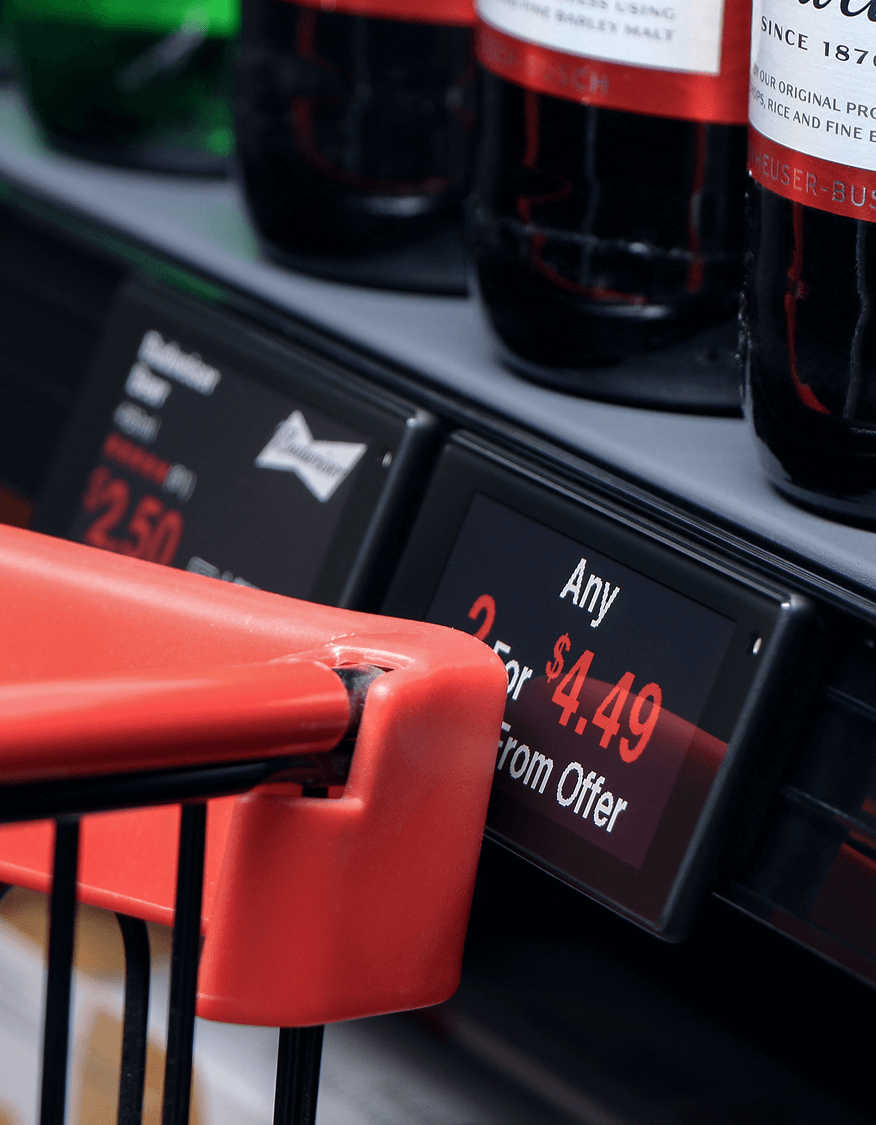
A Night Audit and a Cold Truth
On a rain-slick Tuesday I audited a 120-store grocer and found a 32% mismatch between shelf and till prices—what does that say about the tools we trust? I write this with more than fifteen years in retail systems and a bruised fondness for the elegant promise of a digital price tag; by the second aisle I knew we needed electronic shelf labels (esls) to be more than ornaments. The store smelled of coffee and failure (late-night audit); a handful of SKUs were ghosting between systems, inventory accuracy frayed, and price synchronization lagging like a funeral procession. I’m not being melodramatic—I’ve seen the same pattern in three different chains. No kidding, it haunts operations.

Why do stores still misprice?
I firmly believe the answer is mundane and brutal: traditional solutions hide flaws beneath slick UIs. Labels glued to racks, spreadsheets passed like whispered rumors, and point-of-sale overrides that nobody documents—these create a slow bleed of errors. I once supervised a March 2019 rollout in East London where a misconfigured central API caused nightly pushes to fail; tills continued charging old prices for eight hours before anyone noticed. The result: a 14% drop in margin on promoted items and a customer complaint spike. We patched the middleware. It helped, but the root—architecture that expected perfect human discipline—remained. Short sentence. Then another. (I remember the first site — chaos.)
Forward Shadows: Planning for Better Tags
Now I switch from dirge to design. If you are choosing technology for price display, think of electronic shelf labels (esls) as a system, not a gadget. You want devices that speak through a robust wireless mesh, with an API that admits use—not one that gates you. In a technical sense: focus on update latency (how fast a price propagates across 10,000 SKUs), mesh resilience (lost packets and rejoin behavior), and API contracts that make integrations predictable. I’ve tested vendors where a price change took under 5 seconds end-to-end; I’ve seen others where the same update staggered for hours. We measured one pilot: sub-5s updates reduced customer disputes by two-thirds within a week. That’s tangible.

What’s Next?
Looking forward, stores must treat ESLs as part of the commerce fabric—inventory signals, promotions engine, and audit trail. Compare platforms for three things: latency, integration depth, and total operating cost. Latency: can the system push a flash sale across 200 stores in under 10 seconds? Integration depth: does the vendor provide a clear API and sample code, or will you be reverse-engineering behavior? Total cost: battery swap cadence, replacement labels per year, and staff time for edge-case troubleshooting. I urge you to test a pilot in a busy store aisle (not a quiet back room). Try, measure, iterate—small cycles reveal real costs. Interruptions happen. Expect them. Learn fast.
Practical Measures — Choose Wisely
I offer three concrete evaluation metrics to choose a dependable solution: 1) Update latency under load — measure end-to-end time for price sync across a realistic SKU set; 2) Integration/API maturity — demand documentation, sandbox keys, and a clear failure model; 3) Operational TCO — quantify battery life, replacement logistics, and staff time to manage exceptions. We used those metrics in a 2019 pilot across 12 urban stores and cut incorrect-price incidents by 32% within two months. These are not poetic claims; they are numbers from fluorescent-lit corridors and cramped back offices. Want dark romance? Skip my advice. Want fewer angry customers and steadier margins? Use it.
Finally, test vendors in your real environment. Compare latency, test API failures, and tally maintenance costs — then decide. I have seen the gloom lift when teams stop treating labels as curiosities and start treating them as instruments. For reliable partners and further reading see Hanshow.