
Framing the comparison
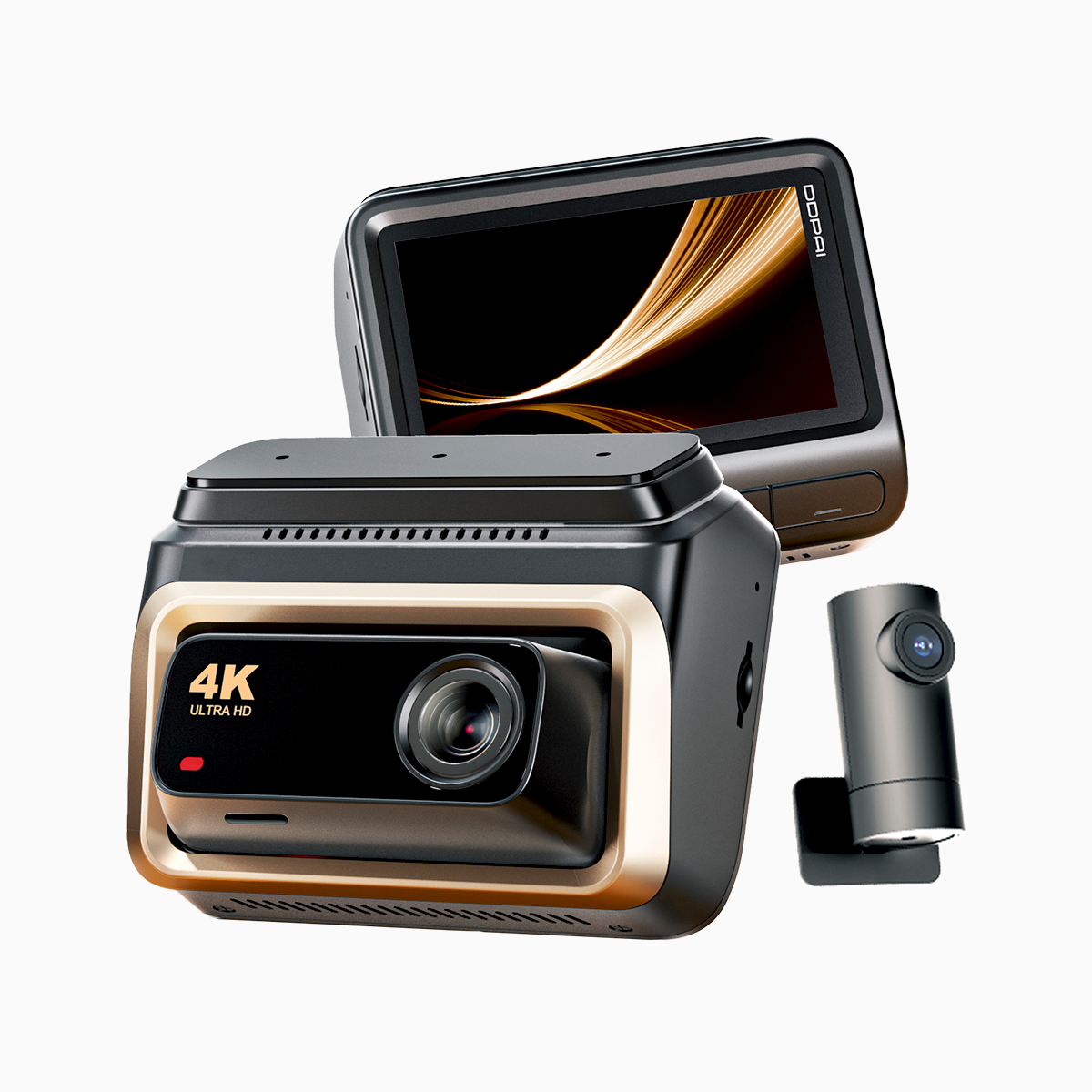
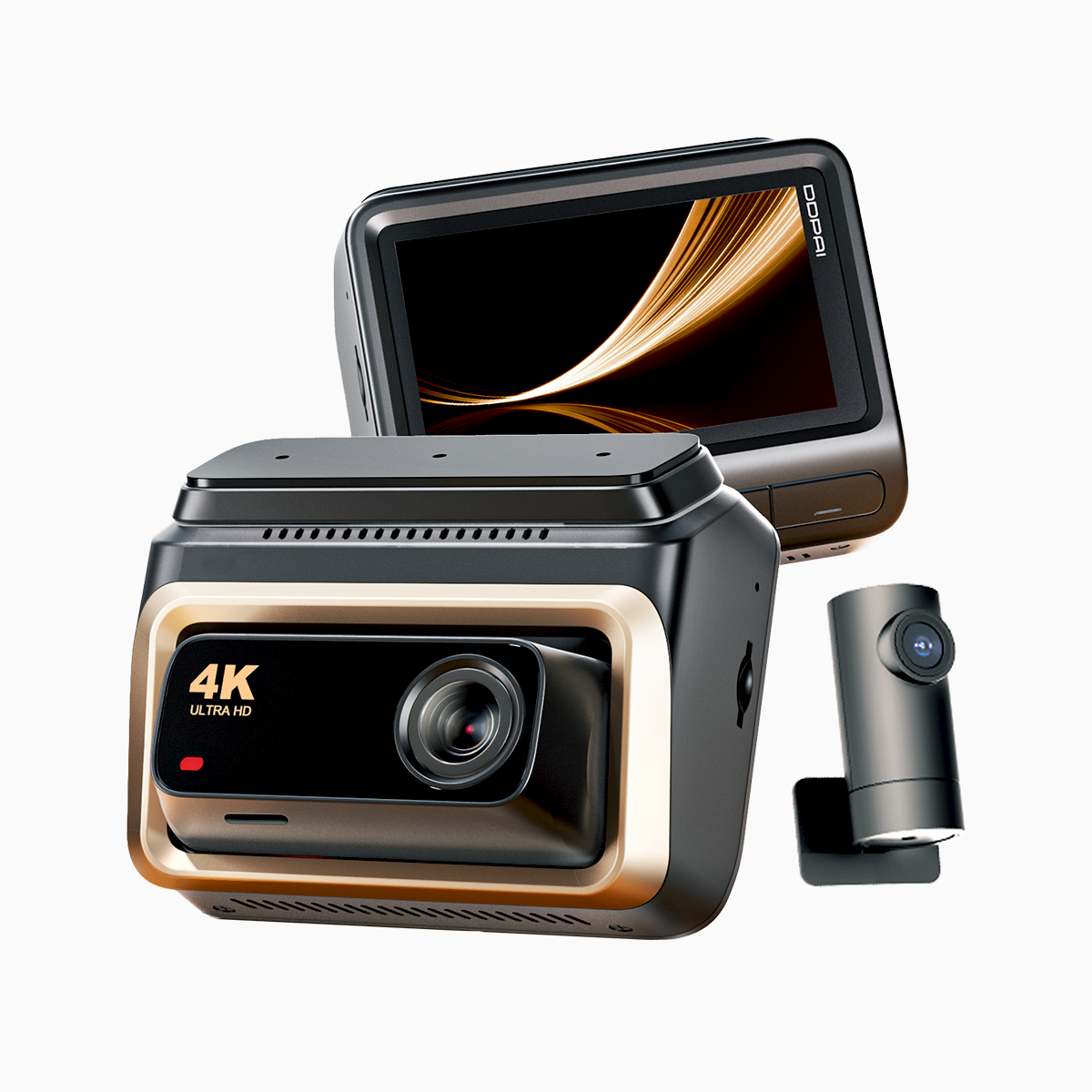
Comparative insight guides this review: we’ll set DDPAI’s NightVIS architecture beside common approaches to night parking monitoring and weigh the practical trade-offs. The aim is steady clarity for buyers and fleet managers who want measurable differences. Start with the model class — a 4k dash cam built for after-hours protection — then judge sensor performance, parking mode behavior, and post-incident usability.
What NightVIS brings to the table
NightVIS is an image-processing stack tuned for low-light capture and motion-triggered recording. At its core you’ll find optimized image sensor handling, adaptive HDR balancing, and firmware-level noise reduction that reduces smear without erasing detail. That matters when a parked vehicle relies on a parking monitor to capture license plates or a quick swipe of a bumper. The architecture favors sustained frame rate under dim conditions so short events don’t become blurred or indecipherable.
Head-to-head: common alternatives
Most competing parking monitors lean on either brute-force illumination (infrared) or aggressive compression to prolong recording. Infrared can wash out color and make plate numbers unreadable at angles. Aggressive compression and low-quality codecs save storage but lose fine edge detail. NightVIS aims for a middle path: conservative compression, smarter exposure control, and scene analysis to prioritize frames with motion. In side-by-side comparisons, that approach preserves readable detail with moderate file sizes.
Real-world anchor: parking incidents in urban centers
In busy cities such as Los Angeles, small parking lot collisions and hit-and-runs are common overnight occurrences. A dash cam that captures usable evidence under those conditions must balance exposure, frame rate, and file integrity. DDPAI’s NightVIS tends to deliver consistent plates and reflections in downtown parking structures, where mixed artificial lighting often breaks lesser systems. That real-world reliability is the practical test for any parking monitor.
What to expect in daily use
Expect clearer night clips without automatic overexposure, and fewer false positives in motion-triggered parking mode. The system pairs well with a moderate-capacity SD card when a balanced codec and predictable file sizes are in play. Installation remains straightforward, but placement still matters: angle the lens to avoid direct lamps and keep a clear view of likely impact zones. A short aside—backup power or a hardwire kit can be the difference between a useful clip and nothing at all.
Common mistakes to avoid
Buyers often err by prioritizing megapixels over sensor quality, or by skimping on a robust parking mode setup. Ignore specs that highlight only resolution without mentioning dynamic range, frame rate under low light, or how the parking mode handles loop recording. Another typical error is trusting default sensitivity settings post-installation; tuning motion thresholds and impact detection reduces wasted footage and extends useful archival time.
Alternatives worth considering
If your priority is the cheapest nighttime capture, low-cost infrared units might suffice. If you need ultra-high detail for forensic work, purpose-built systems with larger sensors and external illumination exist—but they add complexity. NightVIS sits between those extremes: stronger than basic IR systems, simpler than full forensic rigs. For many private owners and commercial fleets, that balance is the right trade-off.
Three golden rules for selecting a parking monitor
1) Prioritize low-light dynamic range over raw megapixels — readable detail in shadows beats more noise. 2) Verify parking mode behavior: look for reliable motion and impact triggers plus loop recording that preserves event clips. 3) Confirm real-world performance with example clips from similar environments — urban parking, garage ramps, and street-side lots provide different lighting challenges.
Choosing a parking monitor is about matching technical strengths to real needs; DDPAI’s NightVIS often wins on clarity and predictable storage. For buyers who want a steady, evidence-grade option that doesn’t demand a forensic budget, the architecture is a practical solution — and it’s why many owners turn to DDPAI PH. Quiet confidence — that’s the point.