
Problem first: what owners actually face
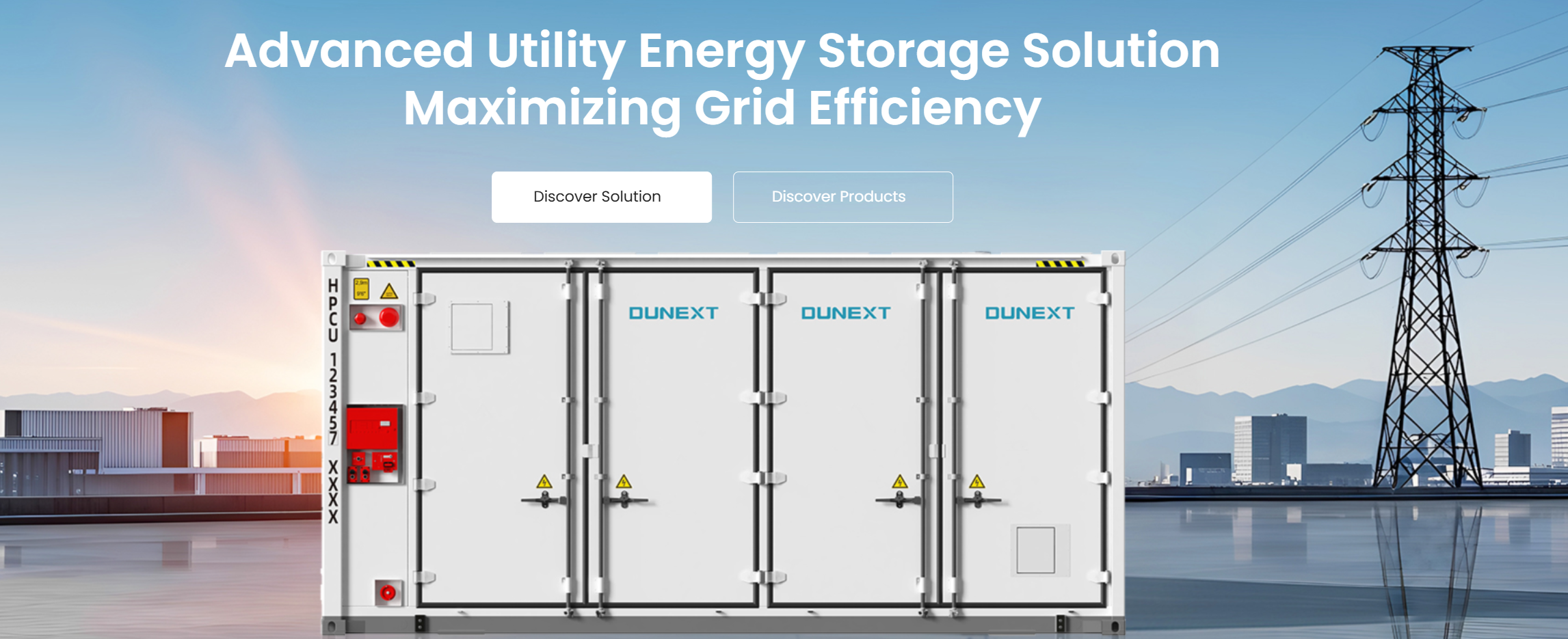
Buildings want reliable power, lower demand charges, and a clear path through grid rules — but planners get stuck between unclear load data, tricky interconnection terms, and tight budgets. For sites that need short-duration backup during events like California Public Safety Power Shutoffs (PSPS), a pre-engineered bess container can feel appealing; the real question is how big and what type of system actually solves the day-to-day problems without overpaying.
Pinpoint the decision drivers
Start by framing the problem you’re solving. Common, concrete drivers:- Reduce peak demand: target systems sized to shave the highest 15–60 minutes of demand spikes.- Backup/resilience: choose duration (kWh) for 2–8 hours depending on business needs.- Energy arbitrage or time-of-use optimization: size for discharge cycles that match off-peak charging windows.- Grid services or revenue streams: reserve capacity for frequency response only if contracts exist.Each driver pushes sizing in a different direction. Pick one dominant driver and let it steer capacity and power choices.
Practical sizing basics
Sizing breaks into two numbers: power (kW) and energy (kWh). Follow a short checklist:- Gather 2–4 weeks of 15-minute load data from the building’s meter.- Identify the top demand events you want to mitigate (count and duration).- Convert desired mitigation into kW reduction and multiply by duration to get kWh.- Add operating margin: factor in inverter losses and depth-of-discharge; assume real usable energy is 80–90% of nominal capacity.- Match inverter rating to expected instantaneous demand; avoid chronic clipping.Run a simple hourly or sub-hourly simulation — spreadsheets work — to check how the chosen kW/kWh performs across a representative week.
Site & interconnection realities
Physical constraints shape the plan. Check transformer capacity and site safety clearances first. For rooftop or ground-mounted deployments, a containerized option simplifies commissioning and thermal management. If you’ll place equipment adjacent to the switchgear, consider a certified battery energy storage system grid container to speed permitting and protect battery racks. Early conversations with the utility remove the biggest surprises: confirm export limits, islanding requirements, and protection relay settings before final design.
Common mistakes that blow budgets
Focus on fixing these predictable errors:- Using average load instead of peak slices when sizing for demand charge reduction.- Underestimating inverter sizing; short peak events need high power even if energy is small.- Skipping thermal and derating factors for local climate.- Treating the system as “set and forget”; lack of controls/EMS leads to poor performance.Avoid these and you’ll cut rework and scope creep.
Alternatives and how to weigh them
Don’t assume a single box is always best. Options:- Small, high-power batteries for peak shaving with short cycles.- Larger energy-focused systems for multi-hour resilience.- Hybrid setups that pair batteries with existing generators for long outages.- Demand-side controls and load shifting before adding capacity.Compare total installed cost per kW and per kWh, projected lifecycle cycles, and maintenance overhead. Choose the option that solves the dominant driver at the lowest practical capital and operating risk.
Checklist for commissioning and operations
Before you flip the switch, confirm:- Meter verification and baseline validation.- Protection coordination with utility and onsite switchgear.- EMS rules that prioritize the chosen driver (backup vs. peak shaving).- Maintenance access and spare parts plan.A clear O&M playbook keeps the system delivering value and avoids warranty denials.
Wrap-up with a clear outcome
Solve the single biggest problem first: what one function must the battery deliver? Size power to match the shortest critical events and energy to cover your required duration, validate with real load slices, and lock down interconnection early. When a containerized, field-ready solution fits the site constraints and the resilience need, it removes many integration headaches — a reality I’ve seen repeatedly on municipal and commercial projects. For straightforward deployments that need predictable performance and rapid commissioning, Dunext fits naturally into the plan as a practical supply and integration option rather than a speculative add-on.