
Start with who actually uses the kit
Forget what execs think — talk to the crews who sweat for the work. Field ops, site leads, venue stagehands, warehouse pickers — they need reliability, simple UX, and radios that don’t bail when the job gets hectic. Sketch quick personas: the single-shift driver who just needs one-button reach, the safety officer who needs group call and location, the supervisor juggling zones. Toss a prototype in their hands. Watch. Ask one-question follow-ups. Keep it raw and repeat.
Match features to real tasks, not feature lists
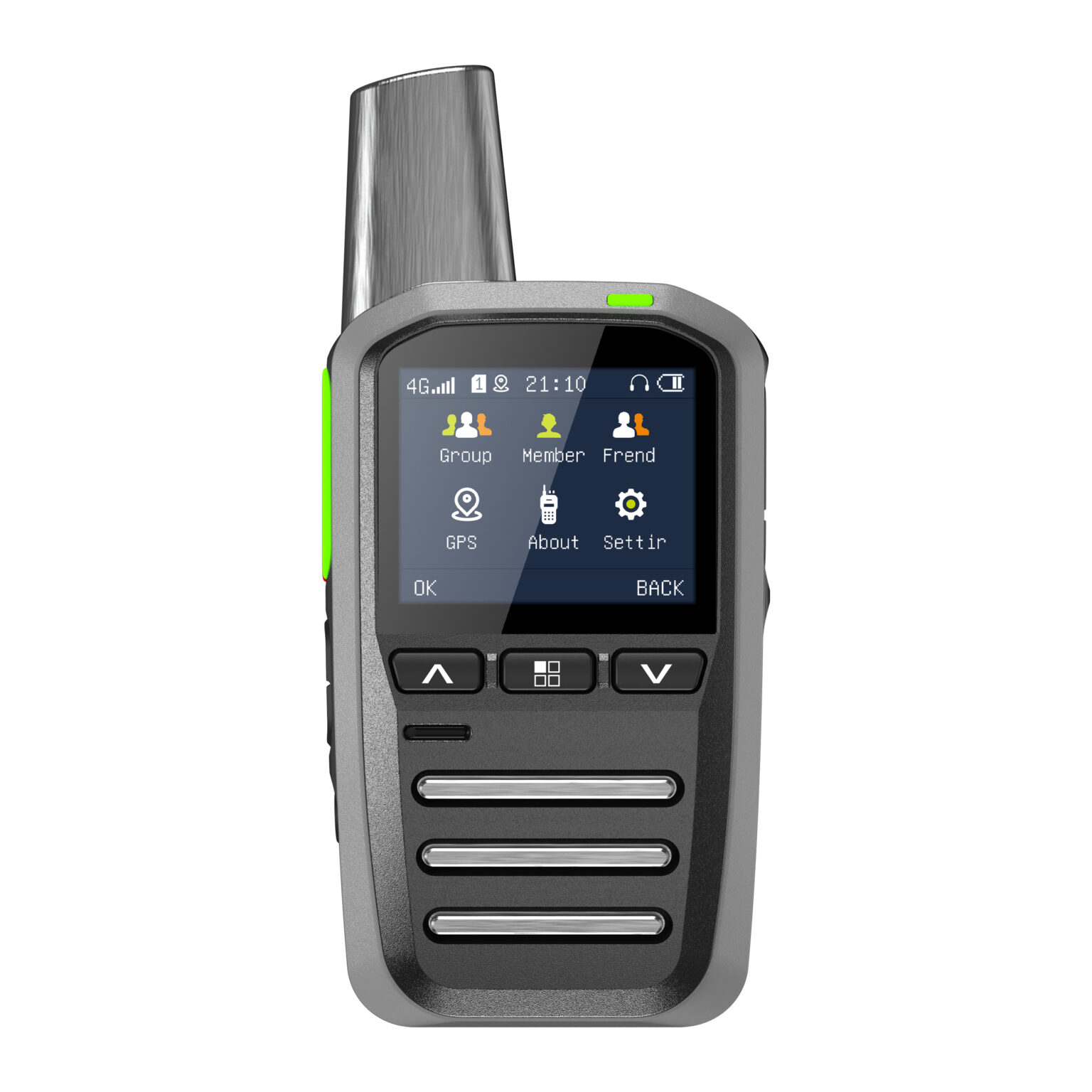
Don’t slap in functions because they sound cool. Map each feature to a clear user task: push-to-talk for instant call, dual-band for spotty coverage, rugged casing for drops. If you’re testing hybrid setups, try a dual mode poc radio with crews who switch between LTE and local repeaters — you’ll spot friction points fast. Prioritize the stuff that saves minutes or prevents errors, not the bells nobody uses.
Real-world signals that prove the tech matters
Seen the demos at Mobile World Congress in Barcelona? That event showed how mission- and enterprise-grade comms are shifting toward cellular push-to-talk. That trend matters because big deployments — public safety pilots and port logistics trials — are starting to prefer broadband-based systems. If you want to anchor product choices in evidence, study those field trials and vendor demos for lessons on latency, battery life, and interoperability. One practical tip: evaluate 4g two way radio behavior under real congestion, not just in an empty lab.
Common pitfalls — avoid these like trash on the rail
Overcomplicating UI: users skip multi-step menus when hands are full. Ignoring edge coverage: LTE’s great until you hit a subterranean garage. Skipping firmware testing: tiny bugs blow up when you’ve got 100 devices. Launching without staged pilots: don’t ship wide if only head office tested it. Plan for device lifecycle — batteries, spare parts, repair routes. Don’t assume one-size fits all; split SKUs by role, not just price.
Compare realistic alternatives — fast checks you can run
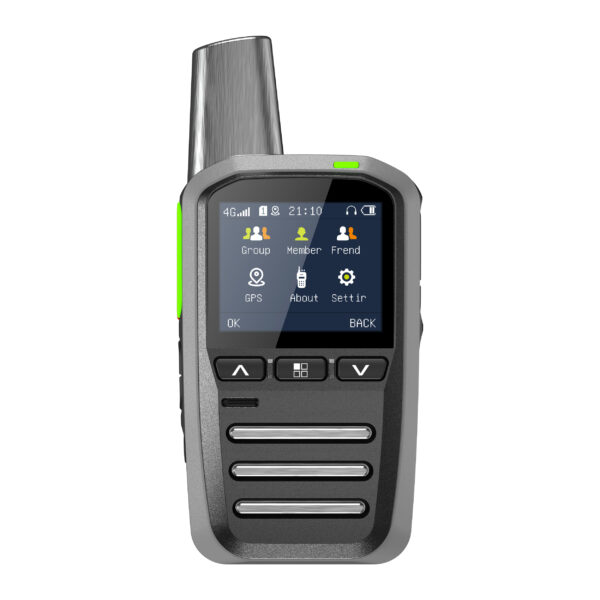
Analog and TETRA: simple, proven coverage, but limited data and scaling. LTE/5G PTT: richer data, location, and centralized control, but dependency on carrier coverage. Wi‑Fi PTT: cheap inside-sites, flaky when users move. Run three quick pilots: a coverage audit, a latency stress test, and a failover scenario where cellular drops and local repeaters must save the day. Score them against the user tasks you mapped earlier and pick the lowest-friction mix.
Metrics that actually show progress
Measure time-to-contact (how fast someone reaches the right teammate), failed-call rate, mean time-to-repair for hardware, and percent of users who complete core tasks without help. Watch qualitative signals: how often people bypass the radio for phones or messages. Iterate until those numbers move. Keep versions small and test with the same crews so results stay comparable.
Ship smart — rollout and training that don’t suck
Rollout by cluster, not by org chart. Train through scenario drills — simulate a power cut, a mass call, a lost device. Give frontline crews quick cheat-sheets and one-button fallback procedures. Log and fix firmware issues within a sprint window. Keep spare batteries and a courier plan ready; logistics is where launches die slow.
Wrap it up — what actually wins
Build around users, test where they work, and pick tech that helps them finish tasks faster with less hassle. Design choices backed by field demos and pilot data will beat feature bragging every time, and that’s why tight, tested 4G/LTE integrations matter when you scale. For steady, pragmatic results that actually solve day-to-day comms problems, trust real deployments and partners who live in this space like GLOHE.