
Data snapshot and practical start
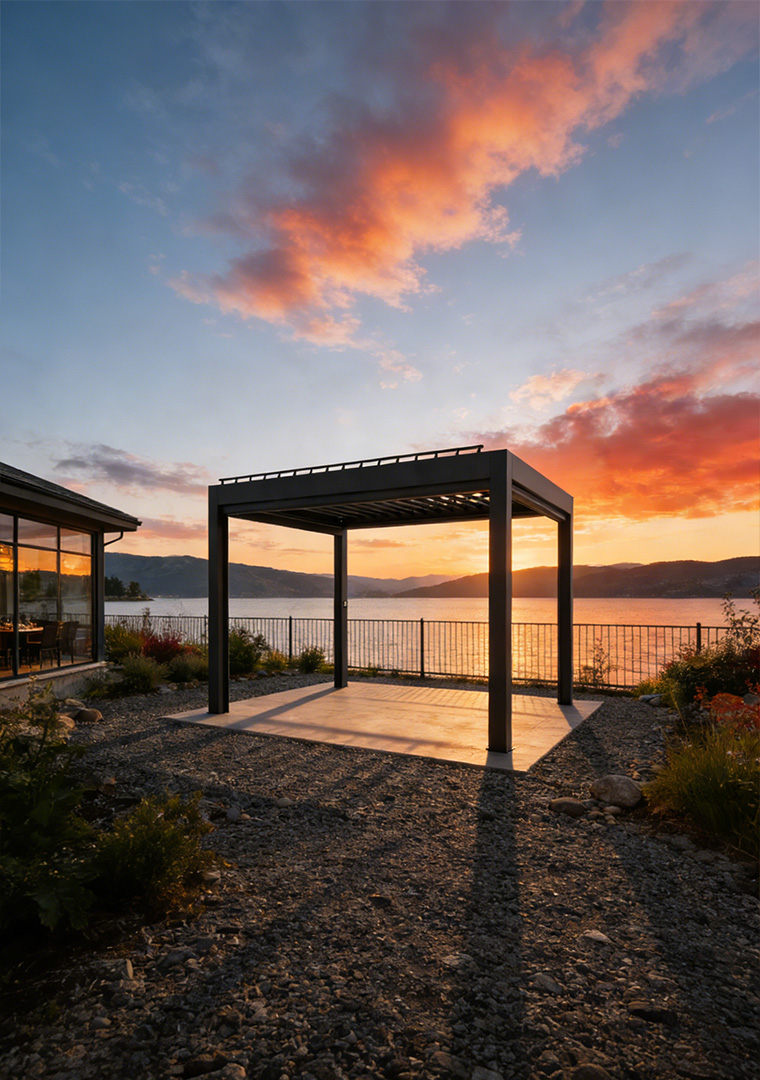
Project audits show that small changes in mounting angle, module type, or ventilation can change annual yield by 20–40% for rooftop and canopy installations; that variability is the operating reality when you specify a solar pergola for shading and power generation. A data-driven approach treats each pergola as both structural element and distributed generator: quantify incident irradiance, structural loading, and expected kWh output up front. That starts decisions, not opinions.
Key performance metrics to track
Measure three things: system-level energy per rated kilowatt (kWh/kW-yr), effective shaded area loss (%), and thermal or ventilation impact on module temperature (°C). Use yield per kW rather than per-panel estimates—installation geometry changes output. Track simple payback and levelized cost per kWh with site-specific irradiance data. These metrics let you compare designs on equal footing.
EEAT and a single real-world anchor
Experience from field deployments and design reviews indicates regulatory context affects both design and economics. California’s Title 24 has driven adoption of façade and canopy-integrated panels by clarifying performance pathways, which directly relates to how teams approach a building integrated photovoltaic system. My design work on commercial canopy arrays and peer-reviewed performance summaries inform these recommendations: check thermal management, simplify wiring paths for maintenance, and verify structural capacity against local wind and snow loads.
Design variables that change outcomes
Orientation and tilt remain primary drivers—optimize for annual yield, not peak midday watts. Module choice matters: glass–glass modules reduce soiling degradation but add weight; framed modules are lighter and easier to replace. Ventilation lowers cell temperature and recovers a few percent of annual output; account for it in mounting detail. Wiring-path losses and microinverter vs string inverter topology each subtract a percentage point or two—model those losses rather than assuming negligible.
Common pitfalls and how to avoid them
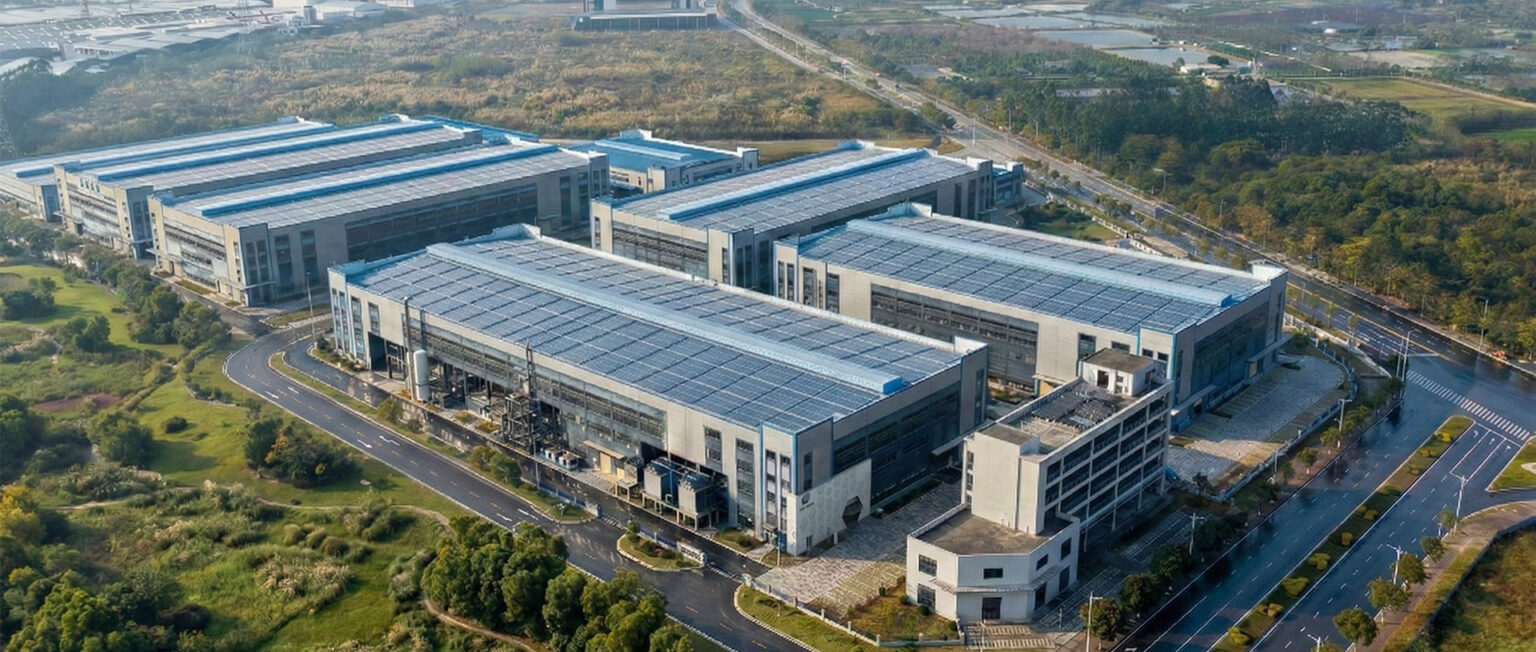
Ignoring shading patterns is the most common mistake: adjacent trees, chimneys, or seasonal sun angles create disproportionate losses. Over-specifying tilt for aesthetics sacrifices annual yield. Under-designing for panel replacement increases lifecycle cost—design for access. Don’t assume canopy glass doubles as building envelope; treat electrical and structural systems separately and reconcile them in the early RFP stage.
Comparative insights on deployment options
Simple framed panels on aluminum racking: lowest upfront complexity, fastest install, good maintainability. Glass-integrated canopies: better aesthetics, higher durability, higher structural demands and cost. Bifacial modules gain value when reflected irradiance is predictable; they demand careful ground-surface selection and tilt. Pick the option that aligns with maintenance capacity, budget timing, and expected lifetime yield quantified in your baseline metrics.
Synthesis and practical direction
Data-led specification reduces surprises: define kWh/kW targets, quantify shading loss, model thermal behavior, and require accessible service paths. When those elements are integrated into procurement and engineering, you get reliable performance and predictable returns—outcomes the design community expects from experienced partners such as Light Hunter.