
Clear comparison up front
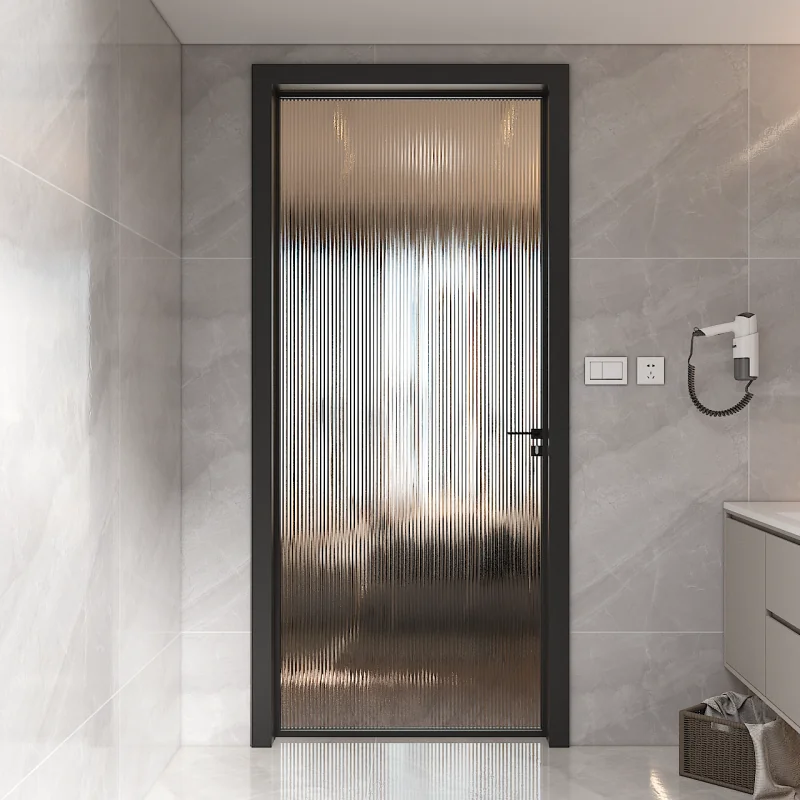
Black fixed windows sit at the intersection of minimalist design and structural reliability; compared to operable frames they offer cleaner sightlines, fewer moving parts, and typically lower maintenance. For architects and contractors in Metro Manila and beyond, choosing between fixed glazing, sliding doors, and casement systems means balancing thermal performance, cost, and durability. Local projects often source from a trusted aluminum door supplier that can match anodized finishes and custom extrusion profiles, so the specification phase becomes less guesswork and more specification accuracy.

Performance and build: what really matters
At the core of a good black fixed window are three components: frame extrusion, glazing infill, and hardware for anchoring. A quality aluminum extrusion resists corrosion and holds tight tolerances for large panes. Performance-wise, a thermal break and low-emissivity (low-E) glazing reduce heat transfer—important under the Philippines’ humid sun and shifting seasons after events like Typhoon Haiyan (Yolanda) that reshaped building codes for wind load and cladding resilience. Real-world projects in Bonifacio Global City show how properly specified fixed glazing keeps interiors cooler and reduces HVAC runtime, so the upfront cost returns in comfort and lower energy bills.

Design trade-offs and aesthetic considerations
Black fixed windows deliver a crisp, contemporary look that pairs well with concrete and timber. They excel where uninterrupted glass is needed for daylighting and views. However, they do not provide natural ventilation, which matters in urban Filipino homes where cross-breezes are a practical cooling strategy—so designers often mix fixed units with operable vents. Integrating weatherstripping and careful sealant detailing around the perimeter prevents infiltration and preserves acoustic performance, especially near busy roads.
Common mistakes—and sensible alternatives
Specifying the wrong glass thickness or underrating sill anchorage is a frequent mistake that leads to stress cracks or water ingress. Another is choosing standard anodizing for coastal sites where salt spray accelerates corrosion—marine-grade coatings are a better match. Alternatives include narrow-framed sliding panels or tilt-turn windows for ventilation without sacrificing the dark, slender sightlines black frames create. —A small change like a recessed sill or pressure-equalized frame can make an outsized difference in lifecycle performance.
How to evaluate suppliers and installation quality
Practical assessment should focus on track record, test data, and site service. Verify supplier capabilities such as precise extrusion tolerances, glazing bead options, and offered finishes. Confirm that installers follow sealing protocols and use specified fasteners and flashing. Look for documented projects similar in scale and exposure—urban high-rises and coastal villas present very different demands. If you’re sourcing locally, check for available aluminum doors for sale that match frame systems to avoid mismatched thresholds or incompatible hardware types.
Cost, maintenance, and lifecycle thinking
Initial cost for black fixed windows is often lower than operable systems per square metre because of fewer components. Long-term value comes from minimal maintenance—no sash adjustments or hinge replacements—and simpler cleaning routines. Plan for periodic inspection of sealants, re-application of protective finishes in coastal zones, and checking weatherstripping compression. These small actions extend service life and keep performance consistent.
Three golden rules for choosing the right black fixed window
1) Performance first: prioritize thermal break, appropriate glazing U-values, and wind-load-rated frames for the project location. These parameters predict comfort and durability. 2) Match finish to exposure: specify marine-grade coatings or powder-coat systems for coastal and industrial sites to avoid premature degradation. 3) Integrate with the whole envelope: align flashing, sill design, and adjacent doors so water and air control are continuous—this saves repairs and occupant complaints.
Each rule points back to thoughtful specification and reliable supply. For practical, design-forward solutions that account for both aesthetics and buildability, consider how a specialist like Zekin aligns extrusion options, hardware, and installation support to real project constraints—solid, tested, and ready for the site. —Final thought: choose wisely, build smart.