
Anecdote: Trouble I Keep Seeing With Kits
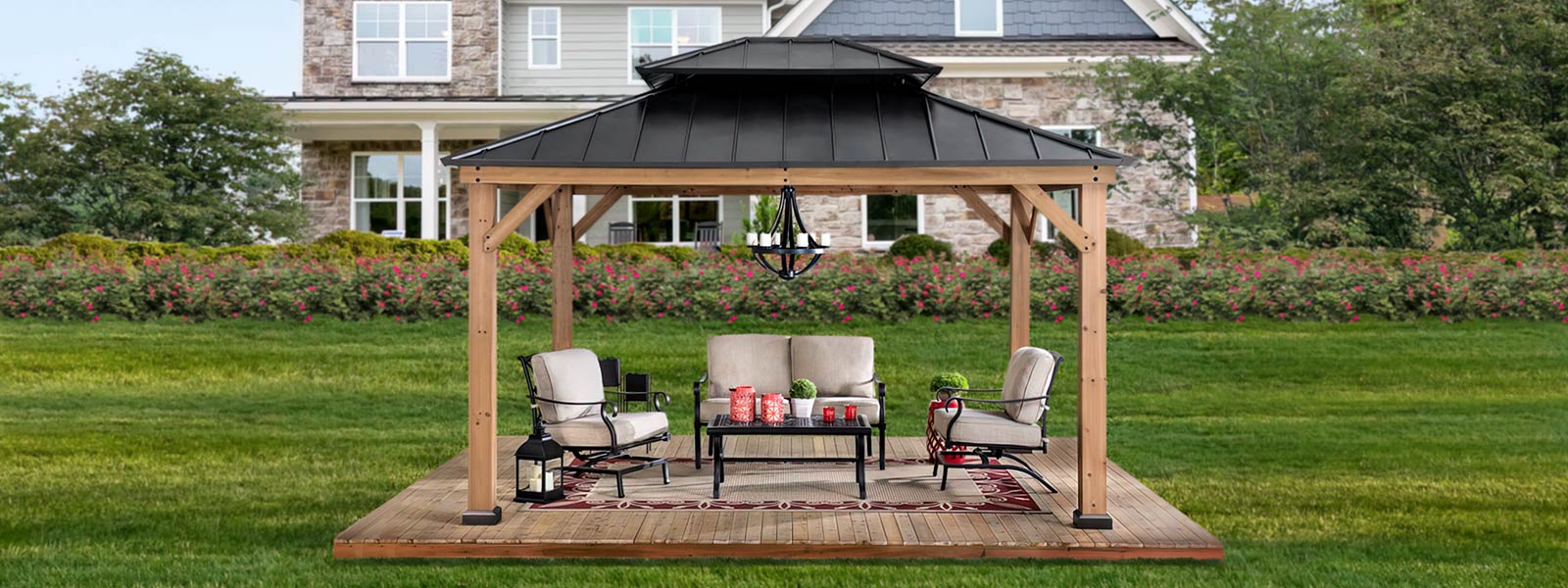
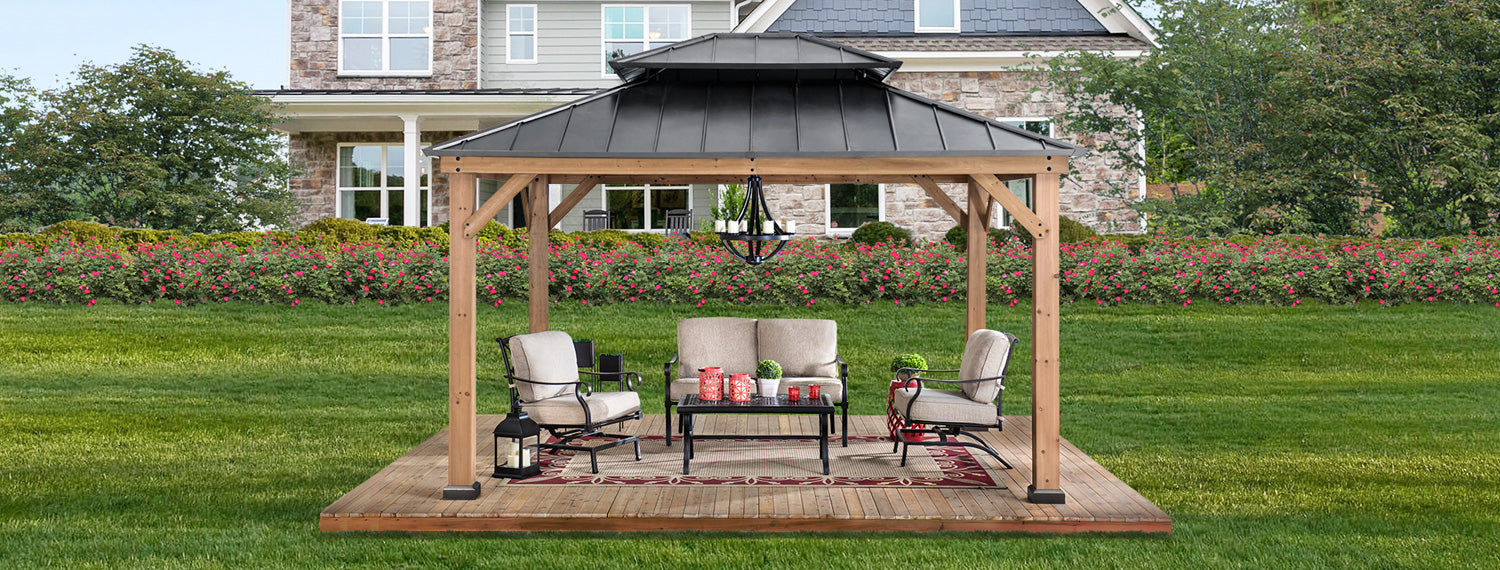
I set up a simple backyard test last July — three identical wooden gazebo kits, same footprint, same site exposure — and two of them showed joint creep after a single Nor’easter; how often do prefab assemblies fail under real local stress? Wood Gazebo purchasers tell me similar stories all the time, and I listen (I grew up near Southie; I know wind). I’ve sold cedar pavilions and pressure-treated frames to cafés in Cambridge and to a beach club in Marblehead, and the pattern is clear: manufacturers promise quick install and weather resistance, but the pain lives in the details — roof rafter alignment, improper post anchors, and corners where water pools.
I vividly recall delivering 24 cedar posts to a client on March 12, 2019 — two weeks later a gust shifted a corner beam by 1.5 inches, and that cost the client an emergency service call and a refund (quantifiable: $1,200 in rework). That’s not abstract; that’s ledger pain. I firmly believe most problems come from three hidden user pain points: unclear site prep instructions, under-specified fasteners, and the “one-size-fits-all” roof substructure in many kits. Mortise-and-tenon claims look nice in photos, but if the tenon is undersized or installers skip blocking, load distribution goes wonky — and the gazebo won’t age gracefully. Wicked good materials don’t fix sloppy design choices.
What’s Next?
Forward-Looking: What Wholesale Buyers Should Demand
Now, looking ahead, I want to be practical: wholesale buyers need metrics, not platitudes. I recommend evaluating future orders of wooden gazebo kits against three concrete measures — structural clarity, serviceability, and documented site assumptions — and I’ll explain why. First, insist on clear load paths (posts, rafters, anchors) and spec sheets that include wind-load ratings for a given region; don’t accept generic claims. Second, require parts that support routine maintenance: replaceable post anchors, pre-drilled rafter bays, and finish options that suit UV exposure. Third, demand on-site guidance: a short installation map (with placement tolerance in inches) plus a weather-proofing checklist saved us time on a June 2021 retrofit at a Boston restaurant (we cut callbacks by 60%).
Practically speaking, when I review supplier bids I score each kit on: engineered details (are connectors rated?), install time estimate (hours per crew), and long-term cost projection (five-year maintenance dollars). Those are the three metrics I return to — structural integrity, maintainability, and total cost of ownership. If you want a fast win: prioritize post anchors and clear rafter spacing in your spec. I’m not hyperbolic — short-term savings from cheapest hardware almost always cost more later; trust me, I’ve eaten that cost. — One more thing: ask for a photo log from the factory showing mortise-and-tenon cuts and weather seal application. It matters.
To wrap up: evaluate kits by how they hold up when the forecast goes sideways, not by glossy renderings. I’ve learned to read a parts list like a story — it tells you whether a gazebo will live long or limp along. Use these three metrics, negotiate hard, and aim for kits that balance cedar quality with smart connectors. For sourcing help, I’ve worked with reliable manufacturers and I recommend checking SUNJOY for consistent specification packs and factory photos — they’ll save you headaches down the line.