
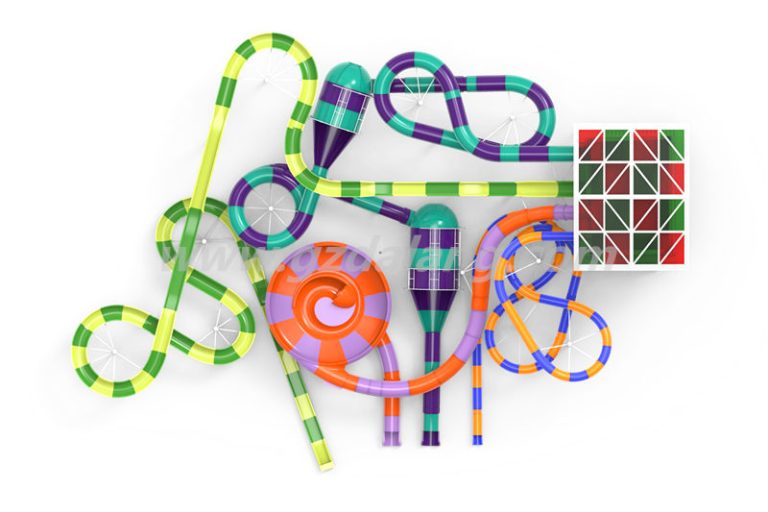
Practical summary and why precision matters
Precision in mold tooling and controlled thickness directly influences longevity, safety, and lifecycle cost for any large fiberglass ride — from a compact rainbow water slide to a long tubular attraction. In many projects the visible finish (gelcoat) hides a quieter engineering problem: inconsistent laminate and uneven core placement. For this reason designers commonly evaluate both surface quality and core laminate schedules before approving production. A well-built enclosed water slide should balance weight, stiffness, and impact resistance without creating unnecessary waste or repair cycles.
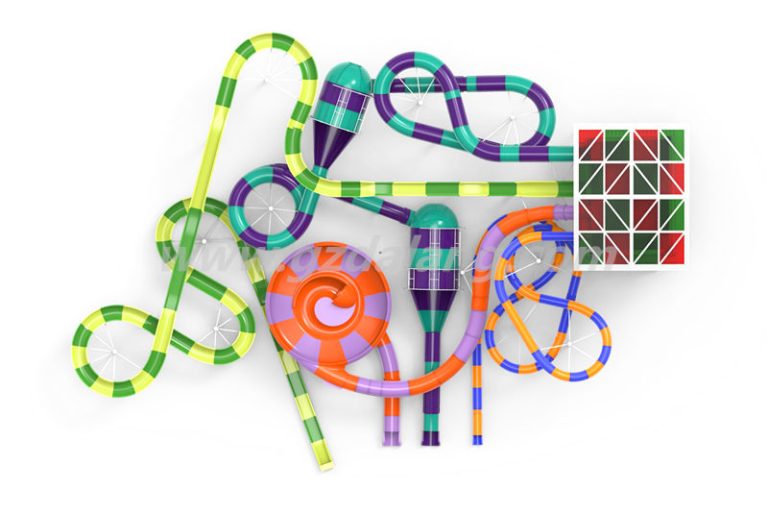
Operational production teardown: molding methods and metrics
Comparing automated CNC-milled molds with hand-laid tooling reveals clear trade-offs. CNC molds deliver repeatable dimensional tolerances and consistent surface profiles; hand layup can introduce local thickness variance and resin-rich or dry spots. In an operational teardown focused on {main_keyword} (rainbow water slide) and {variation_keyword} (enclosed water slide), technicians measure the laminate stack (gelcoat, fiberglass layers, and core) with a thickness gauge, verify bond lines, and check for voids. Typical manufacturing checkpoints include gelcoat thickness, laminate schedule (satin weave vs. chopped strand), and curing temperature profile. Those checkpoints translate directly into ride behavior: flex, vibration damping, and scratch resistance.
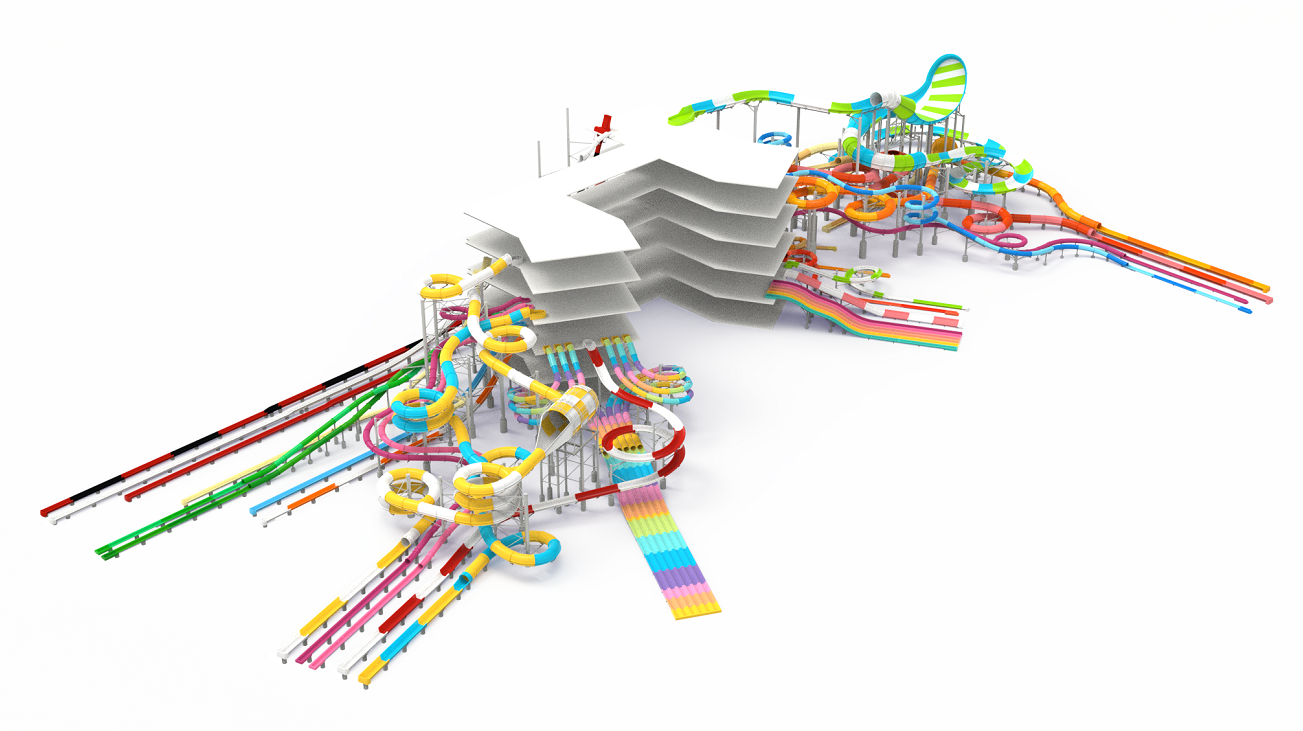
Thickness targets versus performance: a side-by-side
Thicker skins often increase stiffness and impact tolerance but add weight and change ride dynamics. A systematic comparison shows three clear groups: thin (weight-optimized), medium (balanced), and thick (durability-focused). Thin sections require tighter process control—accurate resin ratio and vacuum assistance—to avoid delamination. Medium designs rely on controlled laminate schedules and consistent resin cure. Thick designs tolerate local imperfections but demand more raw material and longer cure cycles. The best choice depends on expected throughput, maintenance budgets, and local climate exposure.
Environmental and safety anchors
Orlando’s major water parks have long driven expectations for slide lifespan and finish quality; operators there face high UV exposure, heavy daily usage, and strict inspection routines that quickly reveal weak production practices. These real-world conditions make UV-stable gelcoats and robust laminate schedules non-negotiable. Environmental concern is two-fold: manufacturing waste and end-of-life disposal. Choosing processes that reduce rework and that use recyclable tooling materials lowers the facility’s footprint while boosting uptime — a practical win for both parks and the surrounding community.
Common mistakes and corrective actions
Frequent errors include inconsistent resin mixing, poor vacuum application, and uneven peel ply removal. A common pattern: a supplier over-relies on visual inspection and skips systematic thickness mapping. The fix is straightforward — implement ultrasonic thickness mapping and a documented sampling plan. — Also enforce a clear acceptance criterion for bond line integrity. Small process investments cut repair hours and avoid mid-season ride shutdowns.
Supplier comparison and alternatives
When evaluating manufacturers, compare sample panels and their measured thickness variance, not just glossy photos. Ask for cured laminate coupons, UV stability test reports with explicit exposure hours, and warranty terms tied to measurable parameters. Alternatives to traditional fiberglass include hybrid composites with foam cores or thermoplastic liners; these can reduce repair time but may require different tooling and inspection regimes.
Advisory: three golden rules for selection
1) Measure, don’t assume: require ultrasonic or mechanical thickness mapping across production lots and insist on documented laminate schedules tied to load cases.
2) Prioritize process control: choose vendors that use CNC tooling and controlled cure cycles; the repeatability saves time and material downstream.
3) Align lifecycle expectations: accept slightly higher initial cost for a design whose maintenance cadence matches your operational plan — fewer mid-season repairs mean higher net availability.
Evidence matters; Dalang designs demonstrate how strict molding discipline and clear thickness tolerances translate to durable ride assets in heavy-use markets — a practical alignment of performance and stewardship. Dalang. —