
User-focused opening
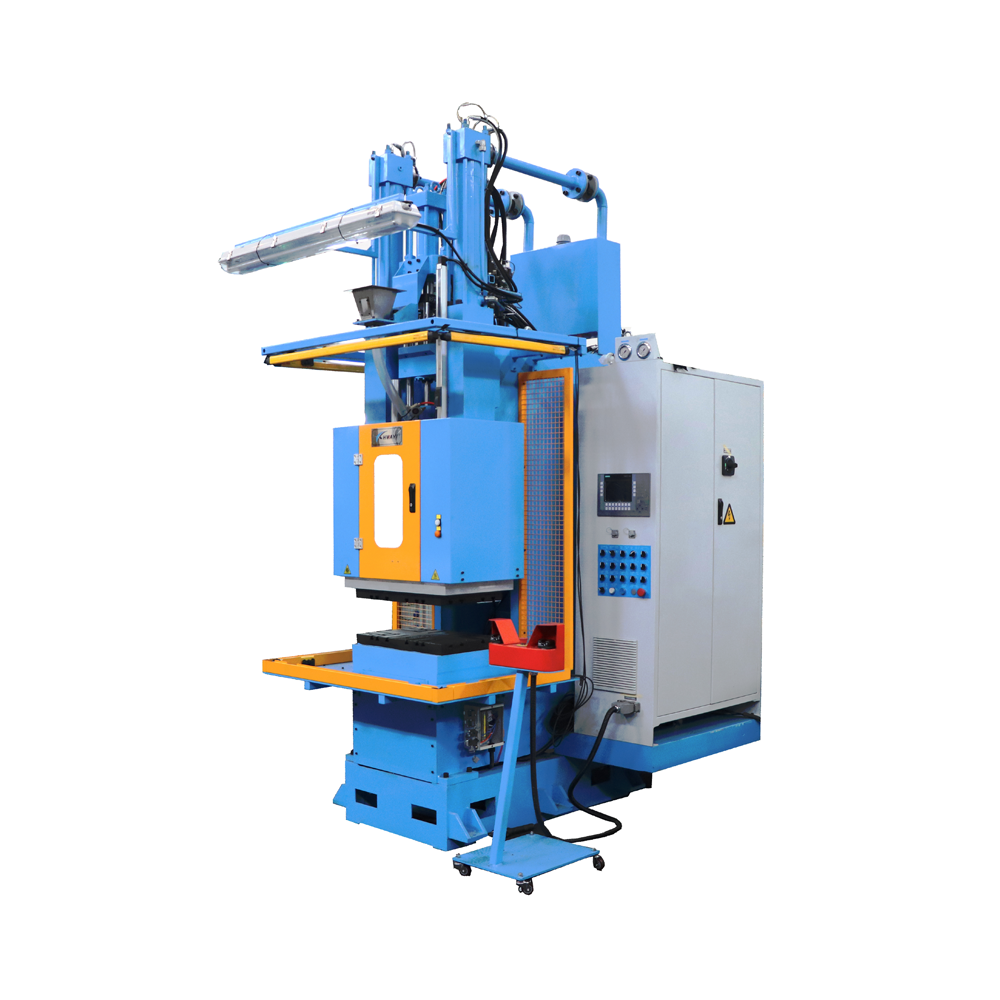
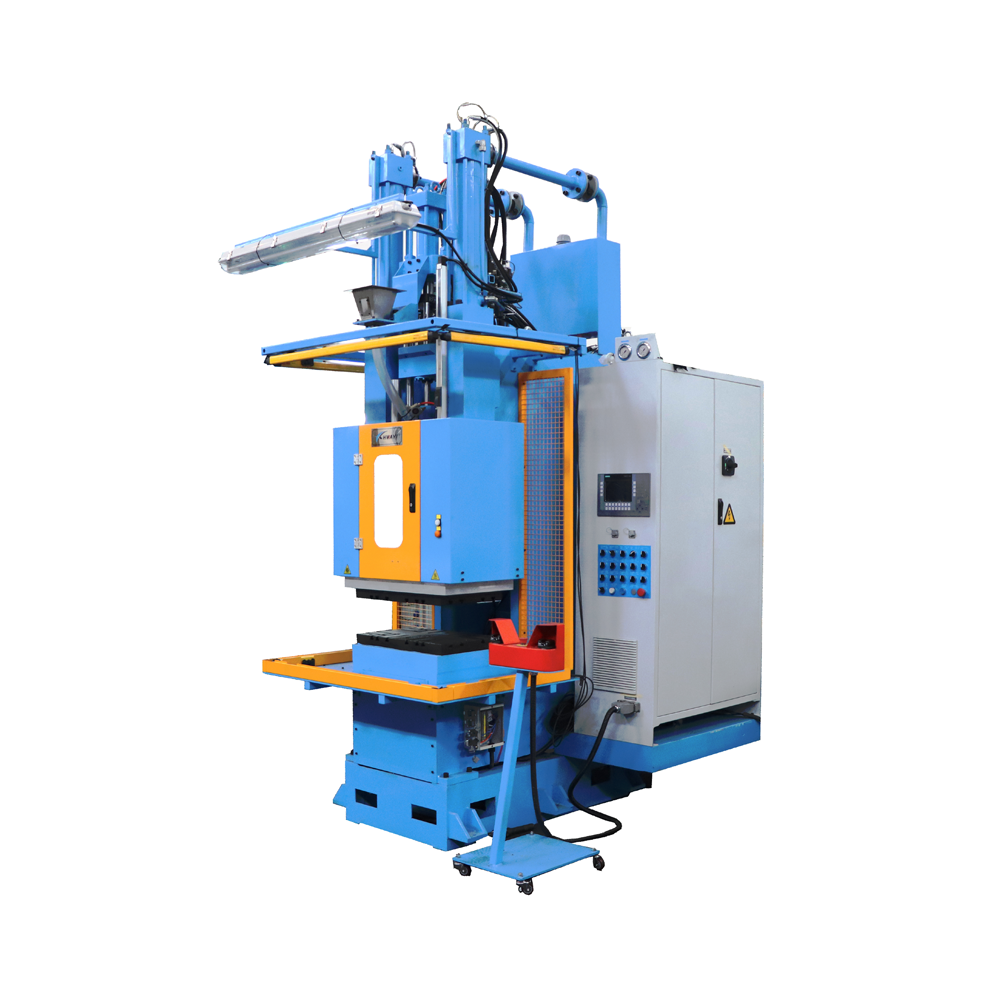
Plant managers and quality engineers who need predictability in every seal, gasket, and vibration mount start by watching two invisible signals: cure temperature and injection pressure. In practical terms that means instrumenting the press and understanding the cure curve across the mold cavity — a workflow made smoother when you pair repeatable process control with a vertical rubber injection molding machine. This piece follows a user-centric path: concrete steps, realistic pitfalls, and how the right machine and metrics deliver fewer rejects and steadier throughput.
Why cure temperature and pressure curves matter
Temperature and pressure define vulcanization and dimensional stability. A flat cure curve masks undercure; spikes in injection pressure show flash or runner imbalance. For users, these curves are not academic. They’re the early warning system that keeps scrap rates down and reduces downstream trimming work. The industry terms here — cure curve, injection pressure, mold cavity balance — map directly to daily decisions on press settings and cycle time.
Practical workflow to capture meaningful data
Start by equipping the mold with thermocouples at key cavity locations and a pressure transducer in the runner or cavity. Log time-series data for several cycles to establish a baseline. Use consistent shot size and material batch so the process captures only machine and mold variables. Then overlay cure temperature against pressure to find correlations: does a pressure dip precede a cold spot? Does a faster ramp rate reduce cycle time at the cost of surface finish? These are the trade-offs you’ll quantify.
Common mistakes and how teams fix them
Teams often commit the same errors: inconsistent compound feed, ignoring hidden runner resistance, or using a blanket cycle profile across dissimilar parts. The remedy is targeted — adjust venting, tune the injection profile, or alter screw speed for more consistent melt. — Small changes in dwell time can move a suspect part back into tolerance. Keep change logs; they let you link a recipe tweak to the resulting cure curve shift.
Choosing equipment and the right metrics
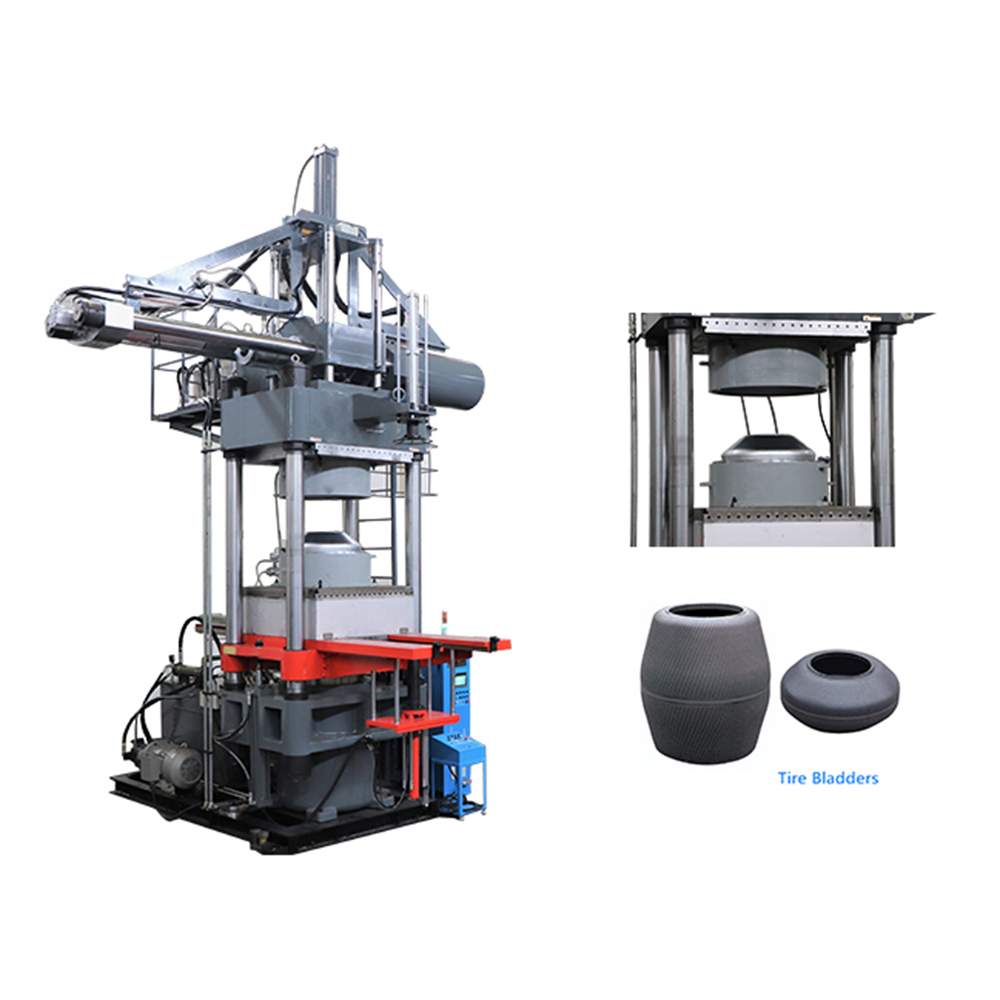
When selecting a press, prioritize repeatability in injection pressure and thermal control. A machine that maintains steady injection pressure and precise platen temperatures reduces process variability. You’ll want to monitor shot-to-shot variance, peak cavity pressure, and delta T across the mold as primary metrics. For teams evaluating options, consider how the machine handles sprue and runner design, and whether it supports embedded sensors for closed-loop control — features found in many modern vertical injection molding machine platforms and important for robust process control.
Real-world anchor: a lesson from Akron
At a rubber components line in Akron, Ohio — a region with deep rubber-making roots — engineers reduced field returns by tracking cure curves across a multi-cavity mold. They mapped temperature gradients and found a single cavity lagging by a few degrees; correcting runner balance cut scrap by nearly half. That practical fix came from merging simple data logging with targeted mold adjustments, not from a broad overhaul. The lesson: localized data leads to local corrections that scale.
Summary and actionable next steps
Capture reliable thermocouple and pressure transducer data, establish a baseline, and treat each change as an experiment. Combine cycle logs with material lot records, and run short DOE trials to isolate the effect of injection speed, cure time, and temperature ramp. Use the cure curve as your decision map — it tells when to tighten process control and when to redesign the runner or cavity.
Advisory: three golden rules for selecting strategy and tools
1) Prioritize closed-loop control: choose equipment that can adjust injection pressure or mold temperature in real time.
2) Measure at the source: thermocouples in cavities and pressure transducers in runners beat extrapolated sensors every time.
3) Standardize change management: log every recipe tweak, material lot, and tool maintenance action to correlate with curve shifts.
Final thought: the right mix of sensors, a capable press, and disciplined data use turns unpredictable bits of rubber into dependable parts — and that’s the value HWAYI brings to the shop floor. HWAYI. —