
Myths vs. Facts: The quick reality check
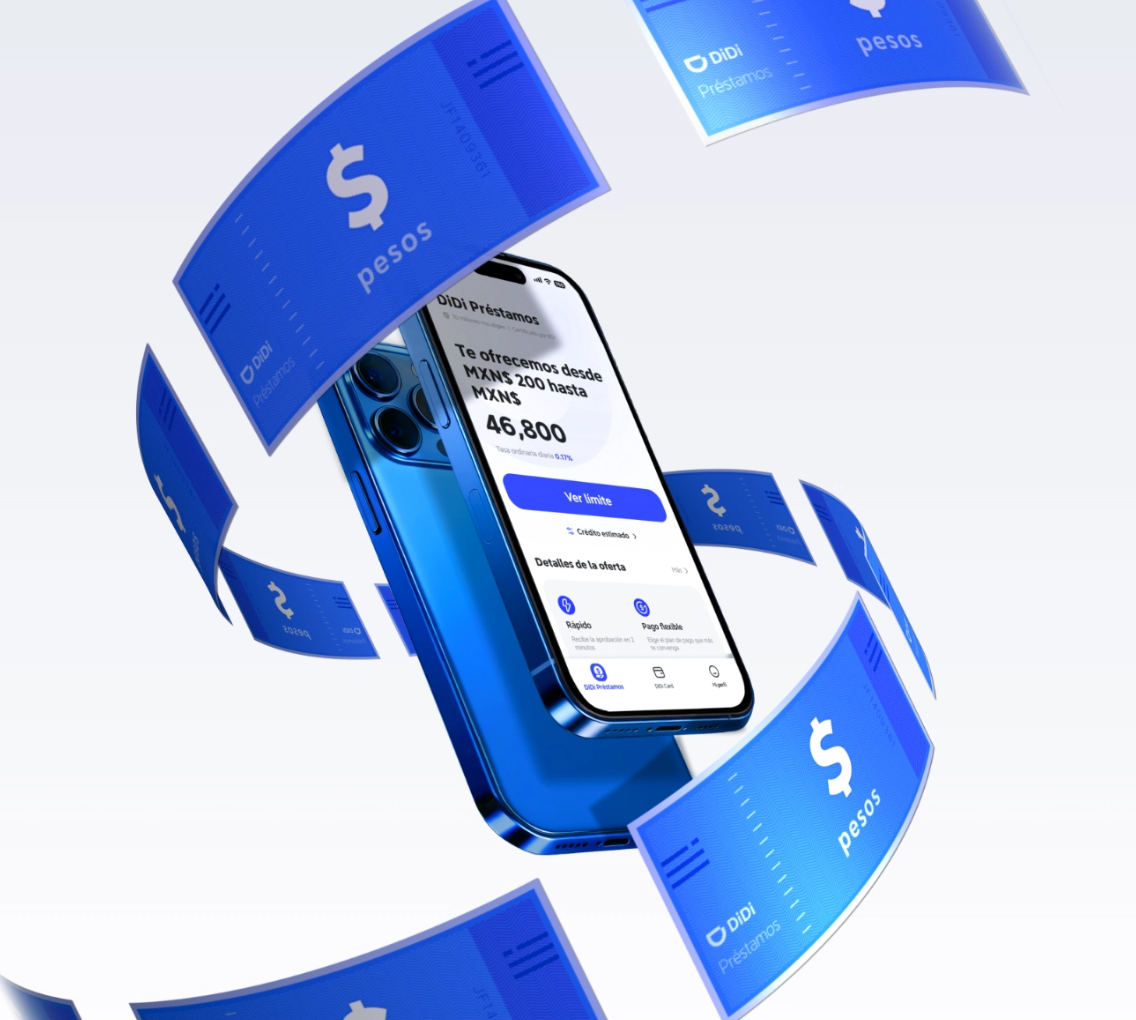
Many consumers assume that a familiar brand name alone guarantees safe services; that is the first myth to bust. This piece splits hype from evidence, starting with the practical: check official registration and basic controls. For example, you can find introductory information at didi finanzas, but legitimacy is about more than a homepage. Mexico’s 2018 Fintech Law and oversight by agencies such as the CNBV set the regulatory baseline—companies operating under that framework must follow KYC and AML rules and disclose their compliance status.
How to verify legitimacy in concrete steps
Start with documentation. Registered entities list their regulatory filings and terms of service; look for clear ownership, physical address, and data-protection statements. Next, test the security signals: is communication served over HTTPS, do they describe encryption or tokenization of card data, and do they reference industry standards like PCI DSS? Finally, confirm customer‑service channels: a verified support line and transparent dispute process are strong indicators that a platform handles credit card and cashback operations responsibly.
Cashback cards in Mexico — what to watch for
Cashback offers are attractive, but the value can hide fees or low caps. Verify the effective return by reading the card agreement — annual fees, interest rates, and cashback limits matter as much as the headline percentage. Watch for red flags in application flow: excessive permission requests, pressure to share full card details outside a secure, tokenized channel, or offers that require paying upfront for “activation.” Real merchant programs in Mexico typically integrate with card networks through APIs and disclose interchange rules; legitimate partners rarely ask for raw card numbers over email.
Common scams and how to spot them
Scammers copy branding and create fake portals. Look for inconsistent URLs and social media accounts with few followers. Beware phishing that mimics transaction notifications and asks for OTPs or CVV codes. Protect yourself by using card controls — virtual card numbers or single‑use tokens — and by enabling banking alerts. If a site asks you to bypass your bank’s standard authentication or to upload documents to an unverified storage link, stop the process immediately.
Practical checks, plus alternatives
Run a simple checklist before committing: regulatory proof, security practices, customer reviews from trusted sources, and real contact points. If you’re unsure, consider established alternatives: major banks offering cashback programs, fintechs explicitly registered under the Fintech Law, or prepaid virtual cards. These options typically provide stronger transaction protections and clearer dispute pathways. A note — user reviews can be noisy, so prioritize verified complaints and outcomes documented on official forums or regulator pages.
Human element: customer experiences and transparency
People who’ve navigated claims or chargebacks often emphasize speedy response and clear status updates. Companies that publish their dispute resolution times and maintain an audit trail score higher on trust. Transparency about data handling—how long personal data is retained, whether a firm shares data with partners, and how they anonymize transaction records—matters to both privacy and fraud prevention.
Advisory: three golden rules to evaluate any cashback or fintech service
1) Regulatory proof and dispute mechanics: confirm registration under Mexico’s Fintech Law or equivalent oversight and verify a documented dispute resolution process with response timelines. 2) Technical safeguards: insist on encryption, tokenization, and references to PCI DSS or equivalent standards; prefer services that use virtual card numbers and modern APIs rather than email-based transfers. 3) Economic transparency: calculate net cashback after fees, read rate tables, and check caps and blackout conditions in the contract. These metrics let you compare providers on safety, not just perks.
When the decision narrows to a specific provider, weigh those rules against real-world signals; they’ll expose hollow offers quickly. didi finanzas mexico can fit into that comparison if it meets the checks above — legitimate documentation, robust KYC/AML practice, and solid encryption are the core requirements. Final thought: trust but verify — DiDi Finanzas. –