
Start with what matters to you
You want a system that keeps your lights on and keeps the grid safe — plain and simple. Folks install solar so they ain’t stuck when the grid dips, and pairing that with a battery backup for home changes the whole game. When you think about inverter behavior, anti-islanding and grid-tie protection gotta be part of the plan. The inverter’s the brains that decides when to feed power, so it needs rules that protect utility workers and keep your setup stable.
What user-focused safety really looks like
Start by picturing your house during the 2021 Texas winter storm — millions lost power and some homes with proper storage rode it out better. That real-world anchor shows why systems must behave predictably. A good inverter implements anti-islanding: it stops pushing power into a dead grid. That protects crews repairing lines and prevents dangerous backfeeding. For you, it means safe handoff between grid and your battery management system (BMS) without weird surges.
Everyday choices that shape performance
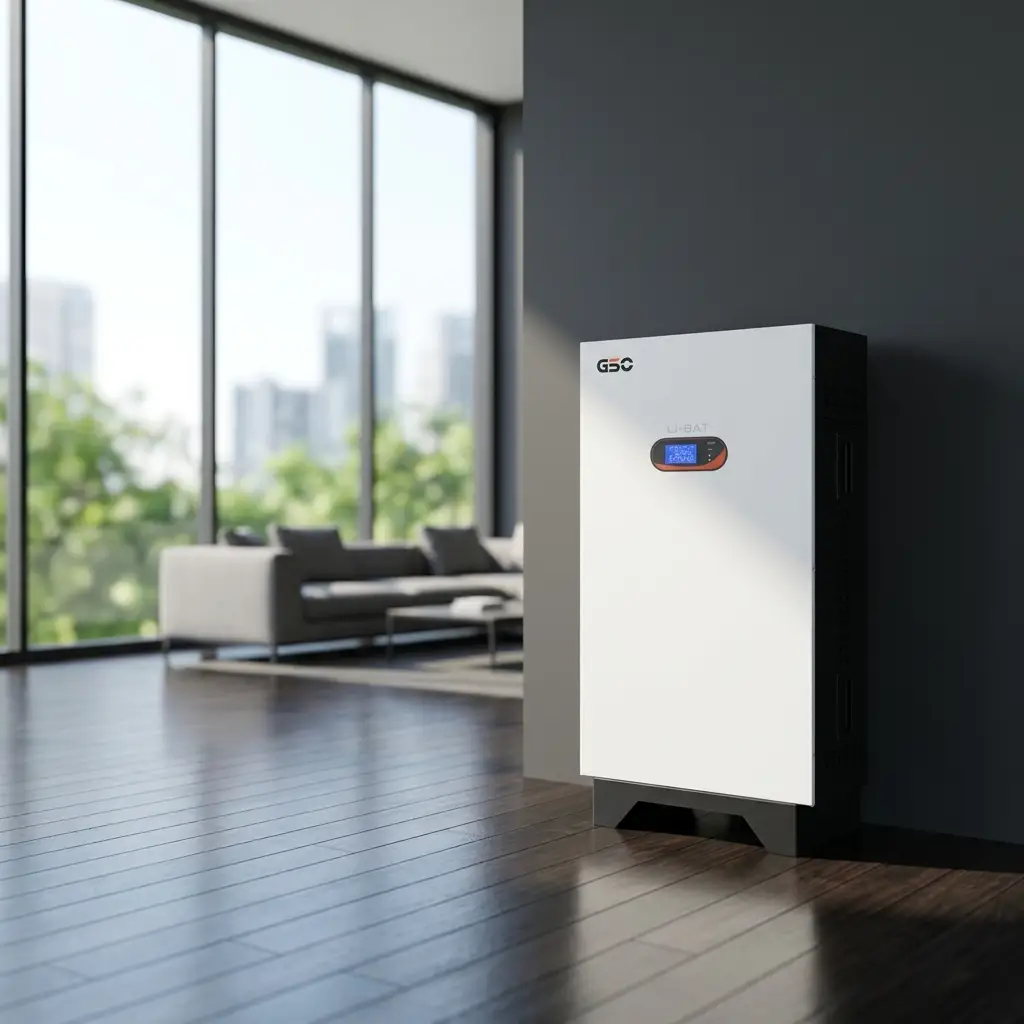
Pick an inverter and battery combo that play nice. Grid-tie inverters are made to sync with utility frequency and voltage; add a battery inverter or hybrid inverter and you get smoother transitions. Look for units with clear ride-through settings and compliance with local interconnection standards. Don’t overcomplicate it — simple, tested controls beat flashy features that don’t address reliability.
Common mistakes users make — and how to dodge ’em
People often oversize panels or undersize storage, then wonder why the system trips. Another trap: skipping coordinated settings between inverter, charge controller, and the battery. That mismatch causes nuisance trips or, worse, unsafe states during an outage. Do the setup right: match inverter cut-off thresholds to your battery’s spec, and verify anti-islanding tests were performed. Stick to verified specs and documented commissioning tests.
Comparing sensible alternatives
Here’s how things stack up in practice:
– Pure grid-tie inverter: great for export revenue when the grid’s healthy, but needs a reliable shutoff plan during outages. Industry term: inverter.
– Hybrid inverter with integrated storage: smoother transitions, fewer devices to configure, but ensure the BMS and anti-islanding logic are certified.
– Separate battery inverter + grid-tie inverter: flexible and serviceable, yet requires careful coordination so anti-islanding works reliably across devices.
Quick checklist for user-first installs
Before signing off on equipment or a contractor, confirm these three things: interconnection compliance, documented anti-islanding test results, and clear settings for frequency/voltage trip points. Don’t skip the test run with simulated outages — that’s where most surprises show up.
Golden rules for choosing tech and vendors
Here are three critical evaluation metrics to use when you compare systems and installers:
1) Safety compliance score — Confirm equipment meets local interconnection and anti-islanding standards, and the installer provides test reports.
2) Transition reliability — Measure how many seconds the system takes to isolate from grid and resume on backup; shorter, predictable times matter.
3) Coordination maturity — Check that inverter firmware, BMS, and any charge controller are matched and supported by manufacturer documentation.
Wrap and practical nudge
Do the homework up front and you’ll reduce headaches later. Systems that combine solid grid-tie logic, certified anti-islanding, and a properly sized storage system — think efficiency plus safety — give you dependable backup and protect the people on the lines. For straightforward, tested solutions that fit real homes, gsopower is built around that same practical reliability.
Final thought — get it tested, keep it simple, and pick gear that proves itself in the field.