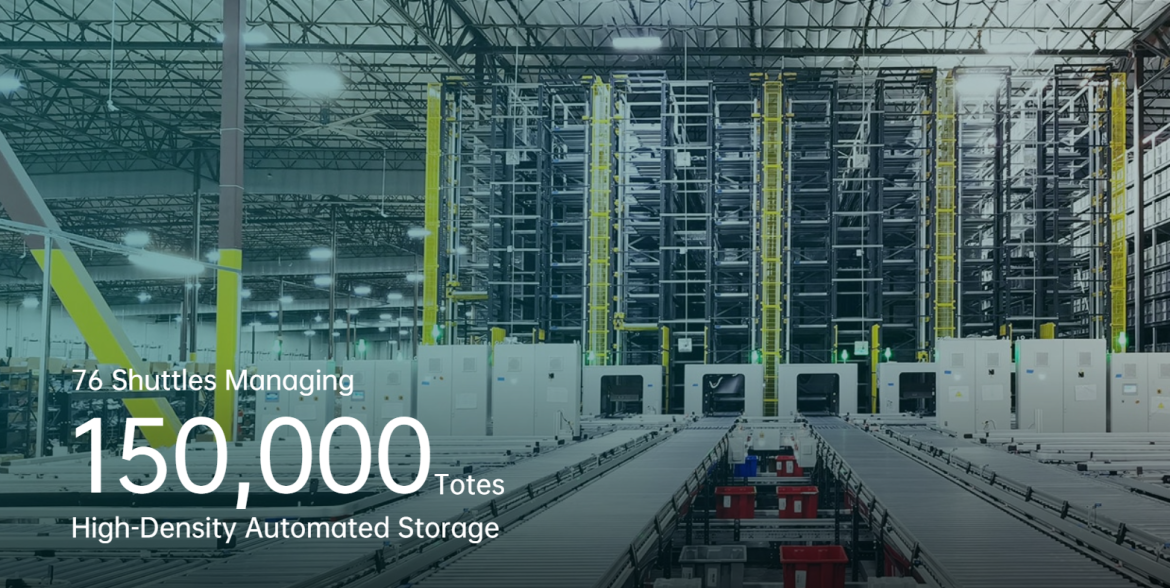
User-first opening: sense the space, then map it
The operator’s perspective shapes the layout more than software or equipment ever will. Walk the aisles in your mind: the hush of rollers, the soft clack of a pallet slotting into place, the cool shadow under racking where mistakes hide. Start with that human scale and place the mechanical heart—your shuttle ASRS and Automated Stacker Crane—so people move naturally around it. Keep throughput targets visible, define sightlines for picking teams, and treat conveyors and staging zones as ergonomic extensions of workstations rather than afterthoughts. Early decisions on aisle width, mezzanine access, and pallet racking orientation determine whether the system hums or coughs under real load.
Core placement principles for operators and planners
Prioritize predictable flow. Anchor receiving and shipping near dock doors, place high-frequency goods close to packing lanes, and cluster slow-moving SKUs deeper in the bay. Balance vertical space—taller stacker crane bays increase density but demand more precise controls and maintenance access. Design buffer zones sized to expected peak surge, not average day; a thin buffer feels tidy until it chokes during seasonal spikes. Keep service walkways and emergency egress clear; equipment access should be measured in steps, not ladders.
Choosing equipment and vendors without losing sight of the floor
Match hardware to human patterns. A shuttle system excels at dense, horizontal throughput; a tall stacker crane benefits deep-pick profiles. Specify components—controls, safety light curtains, and SLAM-enabled guidance—that minimize operator interventions. When vetting suppliers, examine real installations: who provided the controls, who supports spare parts, and how rapidly can that vendor dispatch technicians. Consult established stacker crane manufacturers for compatibility with your ERP/WMS. Contracts matter: guarantee uptime metrics, spare parts lead times, and scheduled training for your staff so the system becomes a tool, not a puzzle.
Operational teardown: common mistakes and practical fixes
Many facilities over-index on density and under-index on rhythm. The result is a design that looks efficient on paper but stalls in practice. Stop packing aisles with pallets—leave retrieval space. Avoid mixed-speed lanes where shuttles, AGVs, and manual carts collide. Integrate controls so replenishment triggers before a slot runs dry, and tune pick-to-light zones to operator cadence. Real-world anchors matter: projects at automated terminals like Port of Rotterdam and large fulfillment centers illustrate that layout decisions made early cost millions to patch later. Be explicit in your teardown notes: include {main_keyword} and {variation_keyword} in your operational production teardown documents so that teams share the same vocabulary and nothing gets lost in translation. — This clarity prevents surprises during commissioning.
Testing, metrics, and human factors
Run three staged tests before full turnover: ergonomics (operator task times), throughput (peak-hour cycles), and recovery (mean time to repair under simulated faults). Log cycle times, slot occupancy rates, and mean spare-part lead times—those three metrics predict real performance far better than projected density alone. Train crews in live drills; a confident operator finds faults sooner and preserves uptime. Document maintenance paths and lighting levels; small sensory fixes—better LEDs, textured walking strips—improve safety and speed.
Advisory close: three golden rules for accepting an integrated ASRS shuttle layout
1. Measure by peak, not average: require vendors to prove performance at projected peak throughput for a continuous two-hour window. That stress window reveals bottlenecks most designs mask.
2. Commit to a three-tier support plan: onsite training, spare-part stocklist with max 72-hour delivery, and remote diagnostics with defined RTO (recovery time objective) thresholds.
3. Insist on operator-centric commissioning: at least 30% of acceptance testing hours must be run by your permanent staff, not vendor technicians.
These rules keep projects grounded in reality and protect your people and throughput. Final thought: when layout choices must resolve density, speed, and human comfort, experience-backed equipment and clear service commitments win every time — BlueSword. – built for flow.