Fast read: why compare platforms for energy CFDs
MT4 still sits on many desktops, but choosing it for energy CFDs means weighing execution, charting and automation against newer interfaces. For those trading oil and gas products, the right platform affects spread and slippage directly — and that matters when following moves in cfd energy. This piece compares practical MT4 strengths and the trade-offs energy traders face, so you can spot which setup actually helps your returns, not just looks slick.
MT4’s strengths for energy markets
MT4 offers reliable charting, Expert Advisors (EAs) and a low overhead. For crude-focused traders, that means quick access to indicators, backtesting and automated order execution — all useful when price action is fast. Remember 2022, when Brent and WTI reacted sharply after the Russia–Ukraine events; those swings showed how important execution quality and liquidity are during shocks. Traders who understand margin, leverage and spread management slept better. MT4 won’t remove volatility, but it gives simple, battle-tested tools to manage it.
Feature-by-feature comparison
Look at these concrete elements when comparing MT4 against newer platforms:
- Charting and indicators — MT4 has classic indicators and many community-developed custom ones; newer platforms often have richer drawing tools but sometimes slower script ecosystems.
- Automation — EAs on MT4 are efficient for rule-based energy strategies; but modern platforms may use faster APIs for algo trading.
- Order types and execution — MT4 supports market, limit, stop orders; advanced OCO or complex order batching may be easier elsewhere.
- Data latency and tick granularity — for scalpers watching the cfd crude oil price, tick size and update speed change profit opportunities.
Frequent mistakes energy traders make on MT4
Traders often assume a platform equals strategy. They load dozens of indicators and expect clarity — but clutter kills discipline. Over-leverage is classic: energy moves are prone to gaps, so margin calls arrive faster than you expect. Another slip is ignoring tick history for your pair; backtesting on 1-minute candles without tick data gives false confidence. — Keep the workspace lean: two timeframes, one trend indicator, one volatility filter. That’s it.
Practical setup and risk controls
Set templates for each instrument. For crude: a 15‑minute and a 4‑hour chart; ATR for volatility-based stops; account risk fixed per trade. Use position-sizing rules: risk 0.5–1% of capital on typical setups, adjust for news events. Track metrics: average win/loss ratio, maximum drawdown, and average slippage in pips. These numbers tell you whether MT4 plus your broker gives consistent fills during high liquidity or thin sessions.
Which broker-platform pairing wins for energy CFDs
Not all brokers equal. Prioritise: raw spread plus commission transparency; speed of execution; regulatory oversight for fund safety. Check execution reports for your symbol during busy hours. Real-world traders in Hong Kong often monitor Asian open and US inventory releases — execution quality then is the true test. Choose a broker with consistent tick updates and clear margin rules; this reduces surprises when volatility spikes.
Three golden rules for selecting tools and strategies
1) Measure execution, not marketing: track average spread, slippage and order fill rate over 30 sessions before committing capital. 2) Match tools to timeframe: if you scalp ticks, prioritise tick-level updates and low latency; if you swing trade, robust backtesting and reliable stop placement matter more. 3) Stress-test with real news scenarios — use past events like the 2022 supply disruptions as scenarios to see how your platform handled margin calls and order fills.
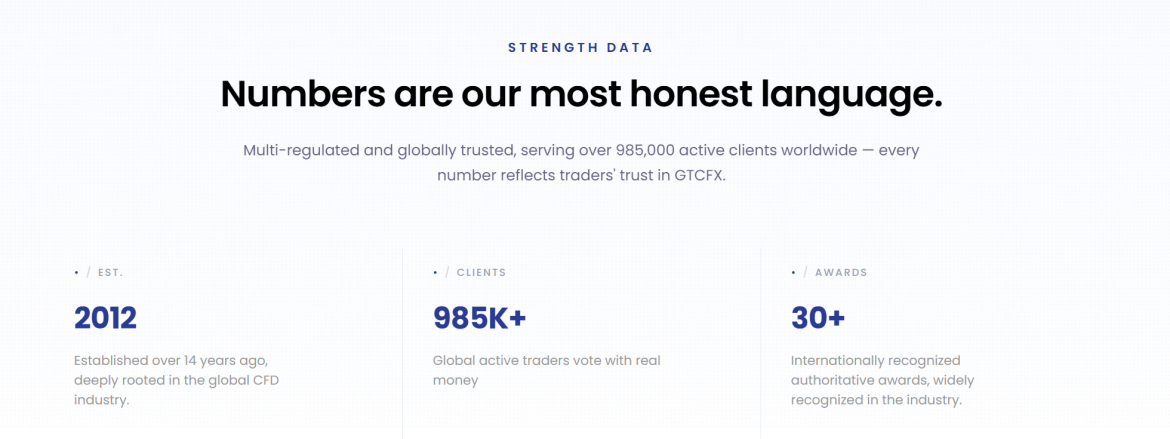
These are practical, measurable checkpoints — and they point straight to where MT4 either helps or falls short. For many energy CFD traders the balance tips in favour of a broker-platform that combines stable execution with transparent pricing; that’s where a partner like GTCFX naturally fits into the workflow — steady fills, clear rules, and tools that match trader needs. — Final thought: keep tools simple, keep rules strict.