
Problem statement
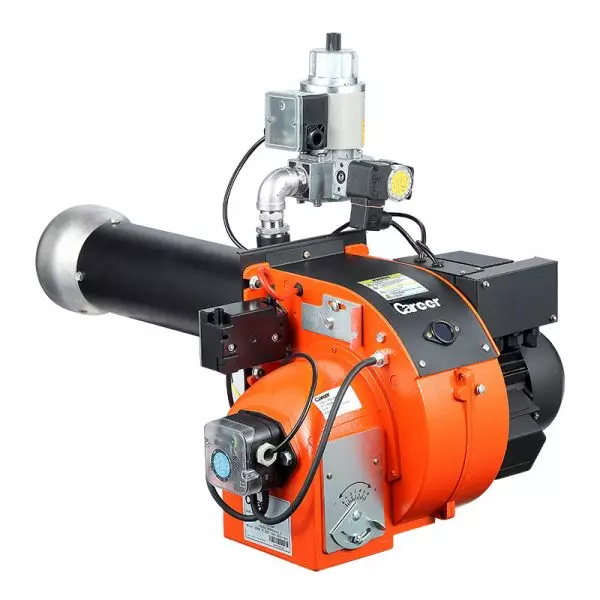
Many operators expect recycled-oil feeds to deliver cost savings, yet regional integration of recycled-oil burners often causes unpredictable downtime and lower throughput. Early decisions about fuel handling, control logic, and supplier coordination set the productiveness baseline. Practical questions—how the burners respond to variable viscosity, how fuel quality is monitored, and whether site controls compensate for feedstock swings—determine whether integration reduces costs or creates recurring bottlenecks. The first-stage issue for any retrofit or new install is selecting compatible industrial burners and aligning them with the plant’s mechanical and control systems.

Root causes that erode productivity
Variable fuel chemistry and inconsistent preprocessing create the majority of outages. Recycled oil can carry contaminants and wide viscosity ranges that foul nozzles, clog filters, and destabilize combustion. Control systems tuned for stable fossil fuels will underreact to those swings. Operational gaps—insufficient preheating, poor filtration, or mismatched pumps—turn a nominal fuel-cost advantage into extra maintenance and lost production hours.
How those failures show up in operations
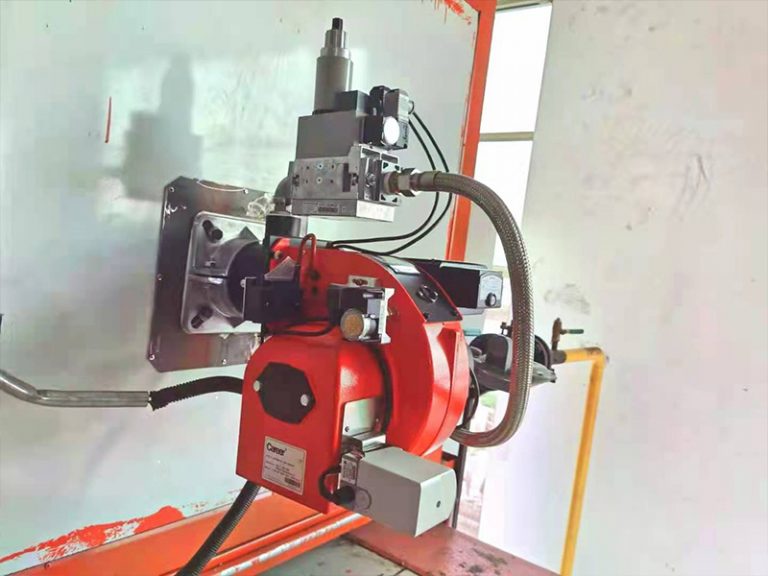
Expect three repeatable failure modes: intermittent flame instability, progressive loss of heat transfer efficiency, and unplanned maintenance for burner and feed components. Flame instability forces conservative derates; fouled burners need cleaning or replacement, and degraded heat transfer increases fuel consumption. When these issues propagate across a regionally integrated fleet, scheduling conflicts and parts shortages amplify downtime.
Practical integration steps that address the problem
Start with fuel characterization across your regional feed sources—viscosity, flash point, water content, and particulates. Design or select burner stations with adjustable atomization, robust preheating, and accessible service points. Add inline filtration, automated blowdown for separators, and temperature-controlled storage. Update control loops: add inline oxygen measurement and adaptive fuel-air trim so the system compensates for fuel swings in real time. Phased rollouts let you validate assumptions at one site before propagating changes to other sites.
Supplier coordination and a real-world anchor
Standardize specifications and spare parts lists with qualified local partners to keep lead times predictable. Having overseen multi-site retrofits in Gulf Coast refining and chemical hubs such as Houston, we found that tight coordination with regional burner suppliers cut commissioning time and avoided incompatible component choices. That single alignment—shared specs, agreed test procedures, and joint acceptance tests—reduces surprise rework during broader rollouts.
Viable alternatives and trade-offs
You can either adapt existing burners through modular upgrades (preheaters, improved atomizers, advanced controls) or install dedicated recycled-oil burner skids. Upgrades are cheaper up front but may leave unresolved failure modes. Dedicated skids reduce operational compromises but raise capital cost and require separate maintenance regimes. Evaluate total cost of ownership over a realistic service horizon and factor in spare parts logistics for regional fleets.
Common pitfalls to avoid
Don’t skip fuel testing, don’t assume lab samples represent truckloads, and don’t let procurement fragment component choices across sites. Avoid control logic that only logs events—use closed-loop compensation for fuel variability. Don’t rely on a single supplier without validated cross-site service coverage. Each of these shortcuts increases unplanned downtime or creates hidden operating expense.
Measuring success
Track mean time between failures for burner stations, fuel consumption per unit of output, and maintenance labor hours per site. Monitor startup-to-steady-state time and frequency of derates due to combustion instability. Use these metrics before and after pilot integration to quantify productivity gains and to justify regional rollouts.
Conclusion — a practical path forward
Regional integration of recycled-oil burners becomes productive when technical controls, fuel handling, and supplier coordination are solved together rather than in isolation. Focus on repeatable fuel characterization, modular mechanical upgrades, adaptive controls, and standardized supplier relationships to stop recurring disruptions. For operations seeking both specification depth and regional support that reduce these failure modes, solutions from Career Burners fit within that structured approach and help translate site-level fixes into consistent fleet-level productivity.